
Advertisement
Technology in classrooms, particularly through AI and robotics, enhances student engagement and personalized learning, while preparing students for a tech-driven future.
Technology in classrooms and robotics in education is transforming how students learn and interact.
Advertisement
Have you ever wondered how AI and robotics in education can make lessons more engaging?
This article will dive into the exciting ways technology shapes education today.
Advertisement
The role of AI in modern classrooms
Artificial Intelligence (AI) is becoming a crucial part of modern classrooms.
Its role is not only to assist teachers but also to enhance the overall learning experience for students.
By integrating AI, educators can personalize lessons and address individual student needs effectively.
Benefits of AI in education
AI in classrooms offers various advantages that improve both teaching and learning.
These aids can range from virtual tutors to intelligent software that assesses student performance. The main benefits include:
- Personalized learning: AI adapts content based on individual student progress.
- Instant feedback: Educational programs provide immediate responses to students’ work.
- Efficiency: Teachers spend less time on administrative tasks and more on teaching.
- Engagement: Interactive AI tools keep students interested and motivated.
In addition to these benefits, AI enhances collaborative learning.
By using tools like group chatbots, students can work together on projects and share knowledge more effectively.
This fosters teamwork and communication skills among classmates.
Examples of AI tools in classrooms
Many schools are starting to adopt various AI tools available today. Popular examples include:
- Intelligent tutoring systems: These provide custom assistance to students who need extra help.
- Chatbots: They answer students’ questions in real-time, available 24/7.
- Learning analytics: AI analyzes data to improve lesson plans and educational outcomes.
As technology continues to develop, the implementation of AI in the classroom is only set to grow.
The combination of AI and robotics in education creates a dynamic environment where students can thrive, preparing them for the future.
By leveraging these tools, teachers can provide a more effective and engaging learning experience.
How robotics improve student engagement
Robotics play a significant role in increasing engagement among students in today’s classrooms.
By incorporating robots into lesson plans, teachers can spark curiosity and excitement.
Many students find learning through hands-on experiences more enjoyable and meaningful.
Interactive learning with robotics
When students interact with robots, they become active participants in their education.
This interaction fosters a deeper connection to the material being taught.
Robotics can turn abstract concepts into tangible experiences, making learning more relatable.
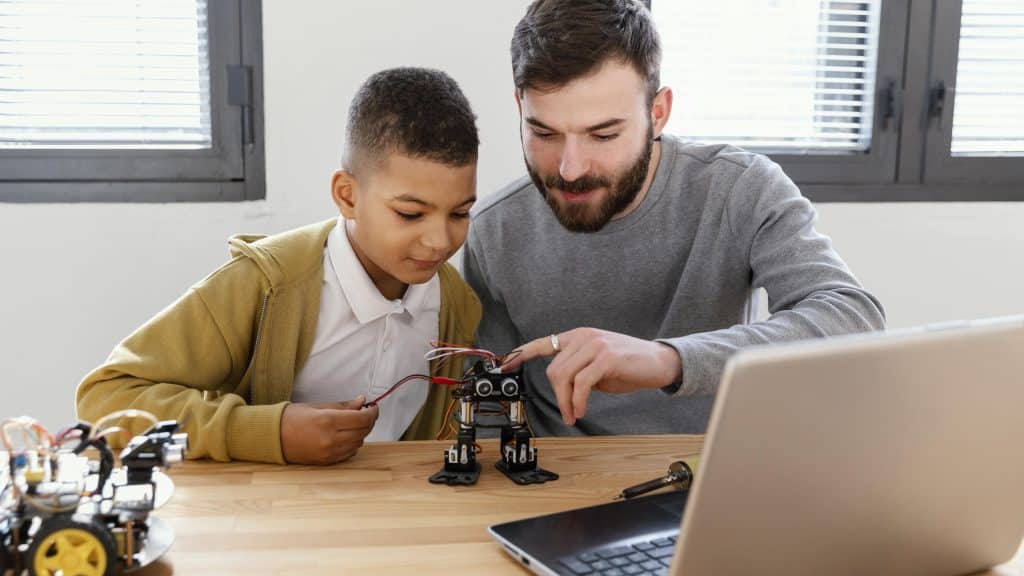
- Hands-on experience: Students can learn coding and engineering concepts while building and programming robots.
- Collaboration: Working in groups with robotics encourages teamwork and problem-solving skills.
- Cognitive skills: Robotics enhances critical thinking and creativity as students design and troubleshoot their projects.
Furthermore, robotics can engage various learning styles.
Visual learners benefit from seeing the robot in action, while kinesthetic learners thrive on the hands-on approach.
The diverse methods employed in robotic activities cater to all types of students, helping to keep everyone interested.
Examples of robotics in the classroom
Many schools have successfully integrated robotics into their curricula. Examples include:
- LEGO mindstorms: These kits allow students to build and program their robots, teaching them STEAM concepts.
- Drones: Educators use drones to demonstrate concepts in physics, geography, and coding.
- Robotics competitions: Many schools participate in competitions that encourage collaboration and creativity.
As educators explore new ways to engage students, robotics stands out as an effective tool.
By capturing attention and making learning fun, robotics can enhance educational outcomes and foster a love for science and technology among young learners.
Challenges of implementing technology in education
Implementing technology in education presents various challenges that educators and institutions must navigate.
While the benefits of tech integration are clear, obstacles can hinder progress and limit effectiveness.
Common challenges
One major issue is the lack of training for teachers. Many educators are not fully prepared to use new technologies effectively.
Without proper training, they might struggle to integrate technology into their lessons.
- Insufficient resources: Schools often face budget constraints that limit the purchase of advanced tools and technology.
- Resistance to change: Some educators and institutions may be hesitant to adopt new technologies, preferring traditional teaching methods.
- Technical issues: Technology can malfunction or be difficult to set up, causing frustration and lost time in the classroom.
- Equity issues: Not all students have access to technology at home, which can create disparities in learning opportunities.
Moreover, ensuring student engagement while using technology can be a challenge.
Some students may become distracted by devices, leading to reduced focus on learning objectives.
It’s crucial to find ways to keep students motivated and interested.
Addressing the challenges
Despite these challenges, there are ways to address them effectively.
Providing comprehensive training for teachers can enhance their confidence and skills in using technology.
Expanding access to resources through grants and partnerships can also alleviate budget constraints.
- Professional development: Ongoing training workshops can empower educators to incorporate technology seamlessly.
- Engagement strategies: Developing interactive lessons can keep students focused and excited about learning.
- Access initiatives: Programs that provide devices to students in need can help bridge the technology gap.
By recognizing and addressing these challenges, schools can create a more effective learning environment that fully utilizes the potential of technology.
Real-world examples of AI in learning
Incorporating AI into learning environments has led to innovative examples that enhance education.
Many institutions around the world use AI in ways that excite and engage students.
Personalized learning
One notable application is the use of AI for personalized learning.
Platforms like DreamBox Learning adapt math lessons in real-time according to a student’s performance.
This allows lessons to meet each student’s needs, helping them progress at their own pace.
Such technology fosters a learning environment where everyone can thrive.
- Smart content: AI tools curate relevant materials tailored to students’ learning paths.
- Virtual tutors: Programs like Carnegie Learning provide additional support outside traditional classrooms.
- Assessments: AI-driven tools analyze assessments for detailed insights into a student’s progress.
In addition, AI is transforming how teachers manage classrooms. Tools like Classcraft gamify student engagement, making learning fun.
In this system, students earn rewards for positive behavior, fostering a supportive classroom atmosphere.
AI-driven tools in schools
Several schools implement AI in various creative ways. For instance:
- Language learning: Duolingo uses AI to adapt lessons, ensuring students learn effectively.
- Interactive learning: AI robots, like those from RoboKind, assist teachers by providing personalized lessons and emotional support in classrooms.
- Data analysis: Schools use AI to analyze attendance and performance data, helping educators make informed decisions.
These real-world examples showcase how AI enriches learning and helps students engage more deeply with the material.
By integrating these technologies into education, schools can create a dynamic and responsive learning environment.
The future of robotics in educational settings
The future of robotics in educational settings looks promising and exciting.
As technology progresses, schools are exploring new ways to integrate robots into their teaching methods.
Enhancing student learning
Robots can revolutionize the classroom by enhancing student learning experiences.
They offer hands-on opportunities that traditional teaching methods often lack.
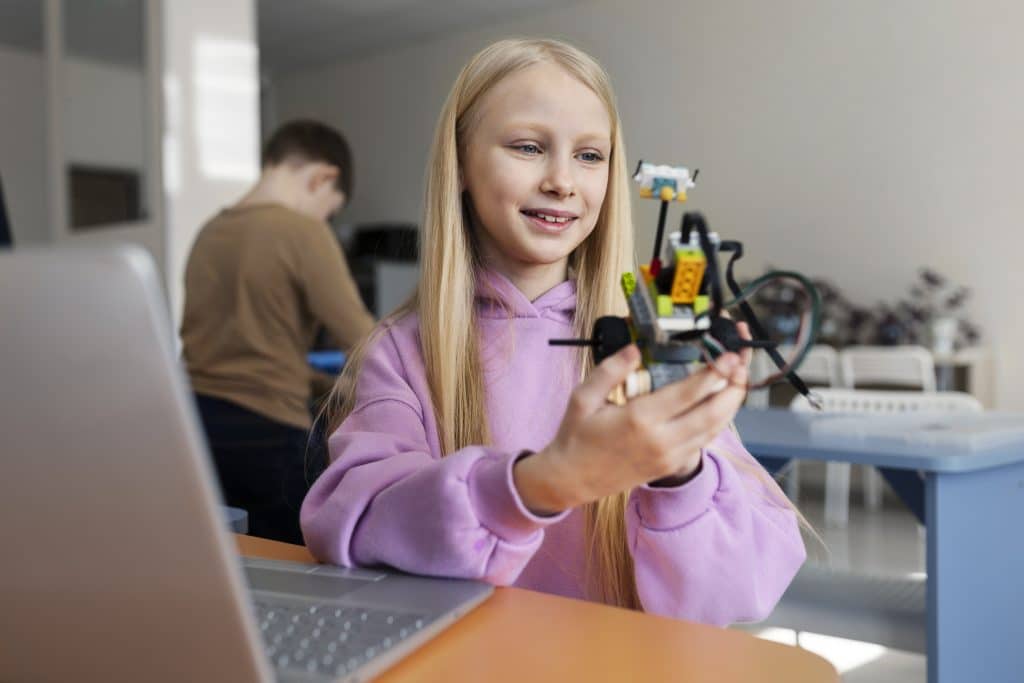
For example, robotic kits allow students to build and program their own robots, fostering critical thinking and problem-solving skills.
- Interactive lessons: Robotics can make complex subjects more approachable through engaging activities.
- STEM education: Robotics promotes a deeper understanding of science, technology, engineering, and math concepts.
- Collaborative projects: Students can work together to solve challenges, building teamwork skills.
Furthermore, as artificial intelligence continues to evolve, robots will become more adaptable.
They will tailor their teaching methods to meet individual student needs, ensuring personalized learning at an unprecedented scale.
Potential innovations
Future developments in robotics may include:
- Social robots: These could assist teachers by providing emotional support and personalized interaction with students.
- Robot tutors: Intelligent robots could provide tutoring in various subjects, offering help whenever students need it.
- Safety and accessibility: Robots can assist students with disabilities, making education more inclusive.
As more schools embrace robotics in education, we can expect a shift in educational practices.
With innovative technologies emerging, the goal will be to create engaging, interactive learning environments.
This evolution will prepare students for a future where technology plays an integral role in everyday life.
FAQ – Frequently Asked Questions about Robotics in Education
How does robotics enhance student learning?
Robotics provides hands-on experiences that make complex subjects more engaging and understandable for students.
What are the benefits of integrating AI in the classroom?
Integrating AI allows for personalized learning, adapting lessons to meet individual student needs, and providing instant feedback.
What challenges are faced when implementing robotics in education?
Challenges include a lack of training for teachers, budget constraints, and resistance to new technology.
How can schools prepare for the future of robotics in education?
Schools can invest in training for educators, explore funding opportunities, and adopt innovative teaching methods that incorporate robotics.
